What is LinkedIn content engagement automation?
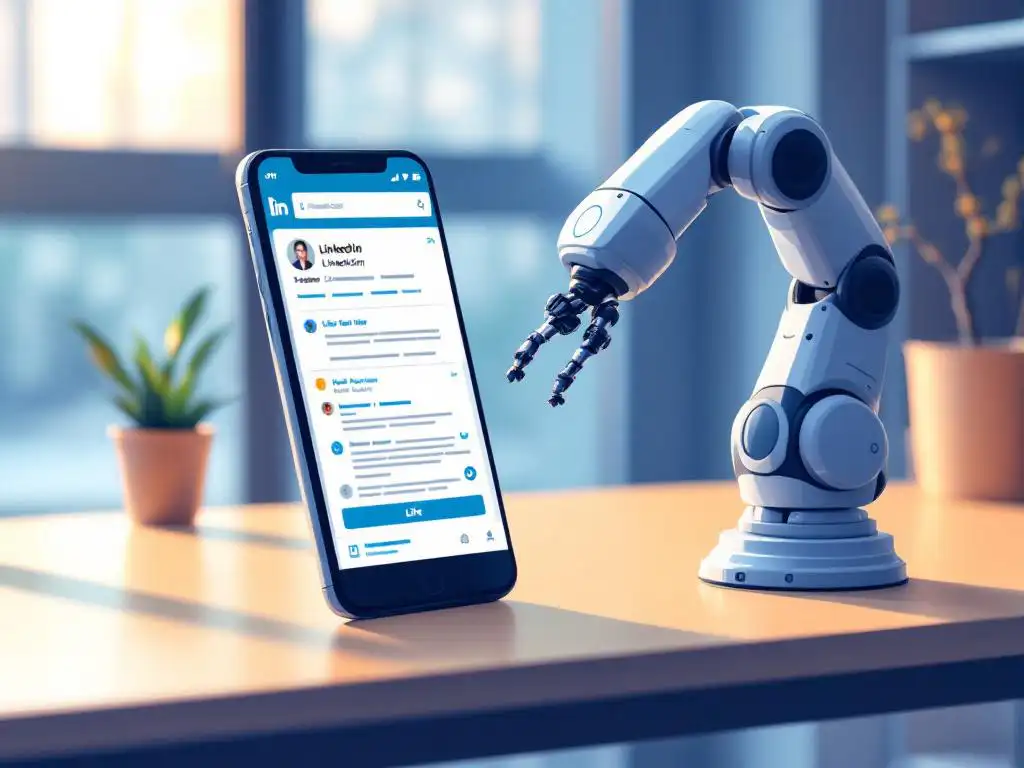
LinkedIn content engagement automation is a technology that systematically interacts with posts, comments, and updates from your target audience on LinkedIn. This AI-driven approach automatically likes, comments on, and engages with relevant content to build visibility and relationships at scale. Modern systems use intelligent algorithms to ensure natural engagement patterns while maintaining authentic professional interactions across your LinkedIn network.
What is LinkedIn content engagement automation and how does it work?
LinkedIn content engagement automation refers to software systems that automatically interact with content posted by your target prospects and network connections. These tools systematically like posts, leave thoughtful comments, and engage with updates from people in your industry or target market.
The core functionalities include automated content discovery, where the system identifies relevant posts from your target audience based on keywords, industry, or connection criteria. Advanced platforms analyse post content using natural language processing to determine appropriate engagement types and generate contextually relevant responses.
Modern engagement automation relies on sophisticated AI algorithms that mimic human behaviour patterns. The technology tracks engagement timing, varies interaction types, and maintains natural frequency patterns to avoid detection. These systems often integrate response classification capabilities, categorising content into different engagement categories such as industry insights, company updates, or personal achievements to ensure appropriate interaction styles.
Intelligent engagement systems monitor your network activity, identify high-value prospects based on their content-sharing patterns, and systematically build familiarity through consistent, relevant interactions. This creates a foundation for future direct outreach by establishing recognition and trust before any sales conversations begin.
Why are businesses turning to automated LinkedIn engagement strategies?
Businesses adopt automated LinkedIn engagement primarily due to time constraints and scalability challenges in manual networking. Sales teams struggle to consistently monitor and engage with hundreds or thousands of prospects’ content while managing their core responsibilities.
The driving factors include the need for consistent brand presence across extensive LinkedIn networks. Manual engagement requires dedicated time that most sales professionals cannot sustainably maintain. Automation enables teams to stay visible and relevant to their entire target audience without overwhelming their daily schedules.
Modern B2B sales cycles demand relationship building before direct outreach. Prospects are more receptive to connection requests and messages from people who have previously engaged with their content. This “warm-up” process traditionally required extensive manual effort that automation now handles systematically.
Competition for attention on LinkedIn has intensified significantly. Businesses recognise that sporadic, manual engagement cannot compete with consistent, strategic interaction patterns. Automated systems ensure no valuable networking opportunities are missed due to time limitations or human oversight.
The shift towards digital-first business development has made LinkedIn engagement essential rather than optional. Companies need systematic approaches to build awareness and credibility within their target markets, making automation a strategic necessity rather than a convenience.
What are the key benefits of LinkedIn content engagement automation?
LinkedIn content engagement automation delivers increased visibility and improved relationship building through consistent interaction with your target audience’s content. This systematic approach creates familiarity and recognition before any direct sales outreach occurs.
Time savings represent the most immediate benefit, allowing sales teams to maintain engagement with thousands of prospects while focusing their manual efforts on qualified conversations. Automation handles the repetitive networking tasks that traditionally consumed hours of productive time daily.
Consistent engagement patterns build stronger professional relationships than sporadic manual interactions. Automated systems ensure regular touchpoints with your network, maintaining visibility during long sales cycles and keeping your brand relevant to prospects’ ongoing business needs.
Enhanced lead generation opportunities emerge through strategic engagement. When prospects consistently see your interactions with their content, they become more receptive to connection requests, direct messages, and eventual sales conversations. This “parasocial selling” approach transforms cold outreach into warm relationship building.
The systematic nature of automation enables database building and comprehensive market penetration. Regular engagement with industry content helps identify active prospects, track their interests and challenges, and build substantial networks for ongoing marketing and sales activities.
How do you implement LinkedIn content engagement automation safely?
Safe LinkedIn engagement automation begins with natural engagement patterns and compliance with LinkedIn’s terms of service. Start with conservative daily limits and gradually increase activity while monitoring account health and engagement quality.
Establish realistic daily engagement quotas that mirror human behaviour. Begin with 20–30 interactions daily and increase gradually based on your account’s age and activity history. Vary engagement timing throughout business hours rather than clustering activities in short periods.
Configure intelligent content filtering to ensure relevant, appropriate interactions. Set up keyword filters, industry targeting, and connection criteria that align with your ideal customer profile. This prevents engagement with irrelevant content that could damage your professional reputation.
Implement response classification systems that categorise different content types and apply appropriate engagement strategies. Industry insights might warrant thoughtful comments, while personal achievements require different interaction approaches. This contextual awareness maintains authentic engagement quality.
Monitor engagement quality regularly through response rates, connection acceptance rates, and overall account performance metrics. Adjust automation parameters based on results, reducing activity if engagement quality declines or increasing it when positive responses indicate optimal performance levels.
Maintain human oversight for complex interactions and high-value prospects. Use semi-automated approaches where the system identifies engagement opportunities but requires human approval for sensitive or strategic interactions.
What should you avoid when using LinkedIn engagement automation?
Avoid over-automation and generic responses that damage your professional reputation and violate LinkedIn’s community standards. Excessive automation creates obvious patterns that prospects and LinkedIn’s algorithms can easily identify.
Generic comments like “Great post!” or “Thanks for sharing!” immediately signal automated behaviour and provide no value to content creators. These superficial interactions harm your credibility and can trigger compliance violations with LinkedIn’s authentic engagement policies.
Aggressive engagement frequencies that exceed natural human capacity raise red flags. Engaging with hundreds of posts daily or commenting on every piece of content from specific users creates suspicious patterns that risk account restrictions.
Inappropriate content engagement represents a significant risk to professional reputation. Avoid automating interactions with controversial topics, personal content unrelated to business, or posts that require nuanced understanding of context and sensitivity.
Neglecting engagement quality monitoring leads to deteriorating relationship-building effectiveness. Without regular assessment of response rates, connection acceptance, and overall engagement quality, automation can become counterproductive to networking goals.
Complete reliance on automation without human strategic oversight eliminates the authentic relationship building that makes LinkedIn networking valuable. Maintain human involvement in high-value prospect interactions and complex conversation management to preserve relationship authenticity.
Hoe Famelab helpt met LinkedIn content engagement automation
Famelab biedt uitgebreide, AI-gedreven LinkedIn content engagement automation die koude outreach omzet in betekenisvolle zakelijke relaties. Ons platform pakt de belangrijkste uitdagingen aan waar bedrijven mee te maken krijgen bij het opschalen van authentieke LinkedIn-netwerken, terwijl professionele geloofwaardigheid en compliance behouden blijven.
Onze oplossingen omvatten:
- Intelligente engagementssystemen die de context van content analyseren en passende interacties genereren
- Geavanceerde lead scoring over meerdere dimensies, waaronder senioriteit, branche-ervaring en budgetverantwoordelijkheid
- Responseclassificatietechnologie die prospectinteracties categoriseert en gesprekstrategieën hierop afstemt
- Naadloze CRM-integratie via Zapier-koppelingen voor volledig sales-workflowmanagement
- Aanpasbare automatiseringsniveaus met volledige automatisering, handmatige afhandeling of semi-geautomatiseerde aanpak op basis van prospectwaarde
Onze parasocial selling-methodologie bouwt bekendheid en vertrouwen op vóór directe engagement, wat zorgt voor hogere responscijfers en meer betekenisvolle zakelijke gesprekken. Het platform behoudt volledige gebruikerscontrole en levert tegelijkertijd schaalbaarheid op ondernemingsniveau voor duurzame LinkedIn-netwerksucces.
Klaar om je LinkedIn-engagementstrategie te transformeren? Neem contact op met ons team om te ontdekken hoe Famelab je kan helpen authentieke professionele relaties op schaal op te bouwen, of ontdek onze uitgebreide AI-salesautomatiseringsoplossingen op famelab.io.
Frequently asked questions
How long does it typically take to see results from LinkedIn engagement automation?
Most businesses start seeing increased visibility and connection acceptance rates within 2-4 weeks of consistent automated engagement. However, meaningful relationship building and lead generation typically develop over 6-12 weeks as prospects become familiar with your brand through regular interactions. The key is maintaining consistent, quality engagement rather than expecting immediate sales results.
What daily engagement limits should I start with to avoid LinkedIn restrictions?
Begin with 20-30 daily interactions for new LinkedIn accounts and gradually increase to 50-80 interactions for established accounts with good engagement history. Spread these interactions across 6-8 hours during business hours and vary the types of engagement (likes, comments, shares) to maintain natural patterns. Monitor your account health weekly and reduce activity if you notice declining connection acceptance rates.
Can LinkedIn detect and penalize automated engagement activities?
LinkedIn can detect obvious automation patterns through suspicious timing, generic responses, and excessive activity levels. However, sophisticated automation tools that mimic human behavior patterns, vary engagement timing, and use contextually relevant responses are much harder to detect. The key is using intelligent automation that maintains quality and authenticity rather than high-volume, low-quality interactions.
What types of content should I avoid engaging with automatically?
Avoid automating engagement with controversial political posts, personal family content, sensitive company news (layoffs, scandals), and posts requiring empathy or nuanced responses (illness, loss). Also skip highly technical posts outside your expertise area and any content that could be misinterpreted without full context. Focus automation on industry insights, professional achievements, and business-related content.
How do I measure the ROI of my LinkedIn engagement automation efforts?
Track key metrics including connection acceptance rates (aim for 30-50%), response rates to follow-up messages (10-15% is good), and the number of qualified conversations generated monthly. Also monitor profile views, post engagement on your own content, and ultimately, the number of meetings or sales opportunities created. Use LinkedIn's native analytics plus your CRM data to calculate cost-per-lead and compare it to other marketing channels.
Should I use the same automation strategy for different industries or target audiences?
No, customize your automation approach based on industry culture and audience preferences. Tech professionals may appreciate more direct, data-driven comments, while creative industries might respond better to more personal, enthusiastic engagement. Adjust your keyword filters, engagement frequency, and response styles to match each target segment's communication patterns and professional norms.
What's the best way to transition from automated engagement to actual sales conversations?
After 4-6 weeks of consistent engagement, send personalized connection requests mentioning specific content you've engaged with from their profile. Once connected, wait 3-5 days before sending a value-driven message referencing their recent posts or industry challenges. Avoid immediate sales pitches; instead, offer insights, resources, or industry connections that demonstrate genuine interest in their success before introducing your solutions.