How to bundle LinkedIn automation with content and paid ads to increase lead conversion?
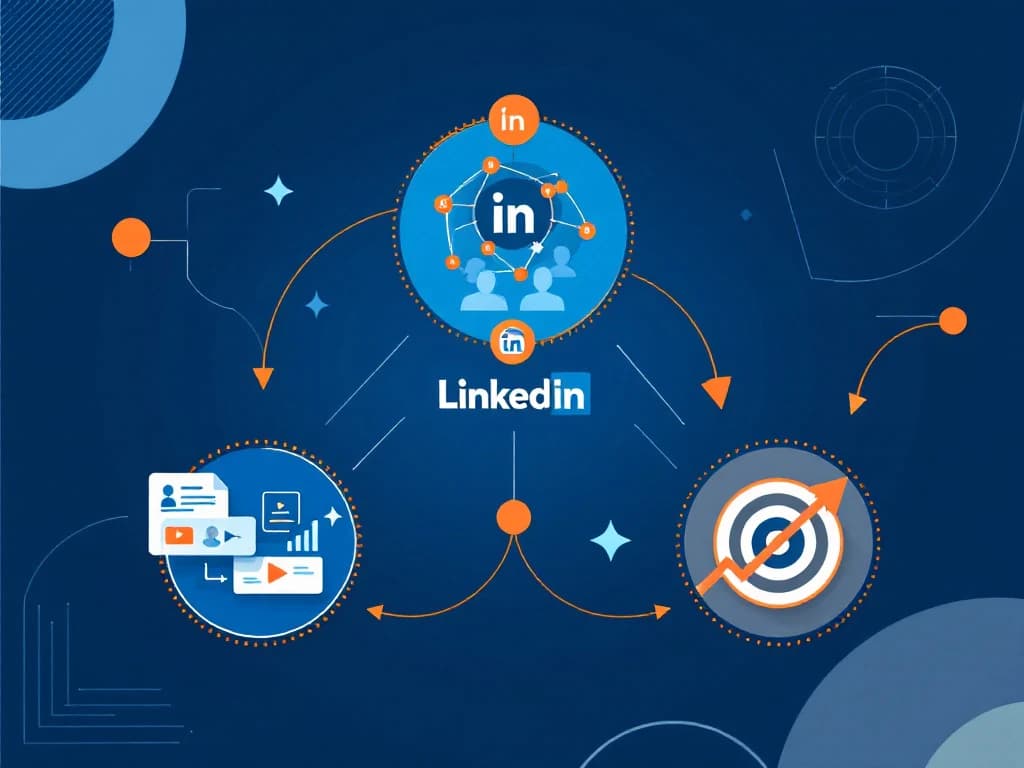
Bundling LinkedIn automation with content marketing and paid advertising creates a comprehensive lead generation system where each channel reinforces the others. Instead of running separate campaigns, you coordinate automated outreach, valuable content, and targeted ads to guide prospects through multiple touchpoints. This integrated approach increases conversion rates by building familiarity and trust before direct contact, making your outreach feel warm rather than cold.
What does bundling LinkedIn automation with content and ads actually mean?
Bundling these strategies means creating a coordinated system where LinkedIn automation, content marketing, and paid ads work together as one unified approach rather than separate tactics. Your automated outreach references content you've shared, your ads warm up prospects before automation contacts them, and your content supports the conversations your automation starts.
This integrated approach leverages what's known as multi-touch attribution, where prospects encounter your brand multiple times across different channels before making a decision. When someone sees your LinkedIn ad, reads your article, and then receives a personalised automated message, they're far more likely to respond positively because you've already built familiarity.
The key advantage over individual strategies is that each element amplifies the others. Your content gives your automation something valuable to reference. Your ads create recognition that makes automated messages feel less intrusive. Your automation can direct prospects to specific content pieces that address their particular needs. This creates a seamless experience that feels natural rather than pushy.
How do you align your content strategy with LinkedIn automation workflows?
Aligning content with automation workflows means creating specific content pieces for different stages of your automated outreach sequence. Your initial automated messages should reference recent articles or insights you've shared, while follow-up messages can direct prospects to more detailed resources that address their specific challenges.
The most effective content types for automation integration include industry insights, problem-solving articles, and case study summaries. These work well because they provide immediate value without being overly promotional. Your automation can reference these naturally in conversation, saying something like "I noticed you work in manufacturing - I just shared some insights about supply chain optimisation that might interest you."
Timing is important for maintaining authenticity. Schedule your content publication before your automation references it, and ensure there's enough variety in your content library that automated messages don't sound repetitive. Your automation should feel like a knowledgeable person sharing relevant insights, not a bot pushing the same article to everyone.
Consider creating content specifically designed to support common automation conversation paths. If your automation typically asks about specific challenges, create content pieces that address those exact issues. This way, your automated follow-ups can provide genuinely helpful resources that move conversations forward naturally.
What's the best way to sequence paid ads with your LinkedIn automation campaigns?
The most effective approach is using paid ads to warm prospects before your automation contacts them, creating a foundation of familiarity that makes automated outreach feel more natural. Run targeted ads to your ideal prospect audience 2-4 weeks before your automation begins reaching out to similar profiles.
Retargeting strategies work particularly well in this context. Create custom audiences from people who've engaged with your ads or visited your website, then have your automation prioritise these warmed prospects. When your automated message arrives, recipients already recognise your brand and are more likely to engage positively.
Avoid running aggressive direct-response ads to the same audience your automation is contacting simultaneously. This can feel overwhelming and damage your professional reputation. Instead, use ads for brand awareness and thought leadership, positioning yourself as a valuable industry resource before automation initiates direct contact.
Consider using LinkedIn's audience expansion features to identify prospects similar to those engaging with your ads, then feed these insights back into your automation targeting. This creates a feedback loop where your advertising data improves your automation targeting, and your automation conversations inform future ad creative and messaging.
How do you measure success when combining these three approaches?
Success measurement requires tracking metrics across all three channels while focusing on overall conversion rates rather than individual channel performance. The key is understanding that prospects might see your ad, read your content, and then respond to automation, making traditional single-touch attribution less meaningful.
Focus on tracking the complete prospect journey from first touchpoint to final conversion. Monitor how prospects who encounter multiple touchpoints convert differently from those who only experience one channel. Look for patterns in conversion paths - do prospects who see ads first respond better to automation? Do content readers require fewer automated follow-ups?
Important metrics include response rates to automation (segmented by whether prospects saw your ads first), content engagement from automated traffic, and overall cost per qualified lead across all channels combined. Track time-to-conversion as well, since integrated approaches often accelerate sales cycles through increased familiarity.
Set up proper attribution tracking in your CRM to capture which prospects encountered which touchpoints and in what order. This data helps you optimise the timing and sequencing of your integrated campaigns. Regular analysis of these patterns allows you to refine your approach and allocate budget more effectively across channels.
What common mistakes should you avoid when bundling these strategies?
The biggest mistake is overwhelming prospects with too many touchpoints too quickly, which can feel aggressive and damage your professional reputation. Avoid having ads, content notifications, and automated messages hitting the same prospects within short timeframes without strategic spacing.
Message inconsistency across channels creates confusion and reduces trust. Your ad messaging, content voice, and automation tone should feel like they're coming from the same person or brand. Prospects notice when your helpful, educational ads are followed by pushy automated sales messages.
Audience overlap issues can waste budget and create poor experiences. Running broad paid campaigns while simultaneously having automation contact everyone in your target market creates redundancy and can feel spammy. Segment your audiences carefully and coordinate timing between channels.
Poor budget allocation often undermines integrated campaigns. Many businesses spend heavily on ads and content creation but skimp on quality automation tools, or vice versa. Each element needs sufficient investment to support the others effectively. Weak automation can waste the warming effect of good ads and content.
Finally, avoid measuring each channel in isolation. This leads to optimising individual tactics rather than the integrated system, often resulting in decisions that improve one metric while harming overall performance.
How can Famelab help you implement this integrated approach?
Our LinkedIn automation platform is specifically designed to support integrated marketing strategies through advanced AI-driven conversation management and seamless workflow coordination. We provide the technical foundation that makes bundling automation with content and ads both effective and manageable.
Our system includes sophisticated CRM integration capabilities that track prospects across multiple touchpoints, allowing you to see exactly how your ads, content, and automation work together. This multi-channel visibility helps you optimise timing, messaging, and budget allocation across your integrated campaigns.
What sets us apart is our parasocial selling methodology, which builds familiarity and trust before direct contact. This approach works perfectly with content and advertising because it creates warm, authentic conversations rather than cold outreach. Your automation feels natural because prospects already know who you are through your other marketing efforts.
For agencies and resellers, our white-label options allow you to offer this integrated approach to clients under your own brand. You can deliver sophisticated LinkedIn automation that coordinates seamlessly with content strategies and paid campaigns, providing comprehensive marketing solutions that drive real results.
We handle the technical complexity of coordinating multiple channels while you focus on strategy and client relationships. Our AI manages conversation flows, tracks engagement patterns, and adapts messaging based on how prospects interact with your various touchpoints, creating a truly integrated experience that converts prospects into customers.