How does AI improve lead-to-demo conversion rates?
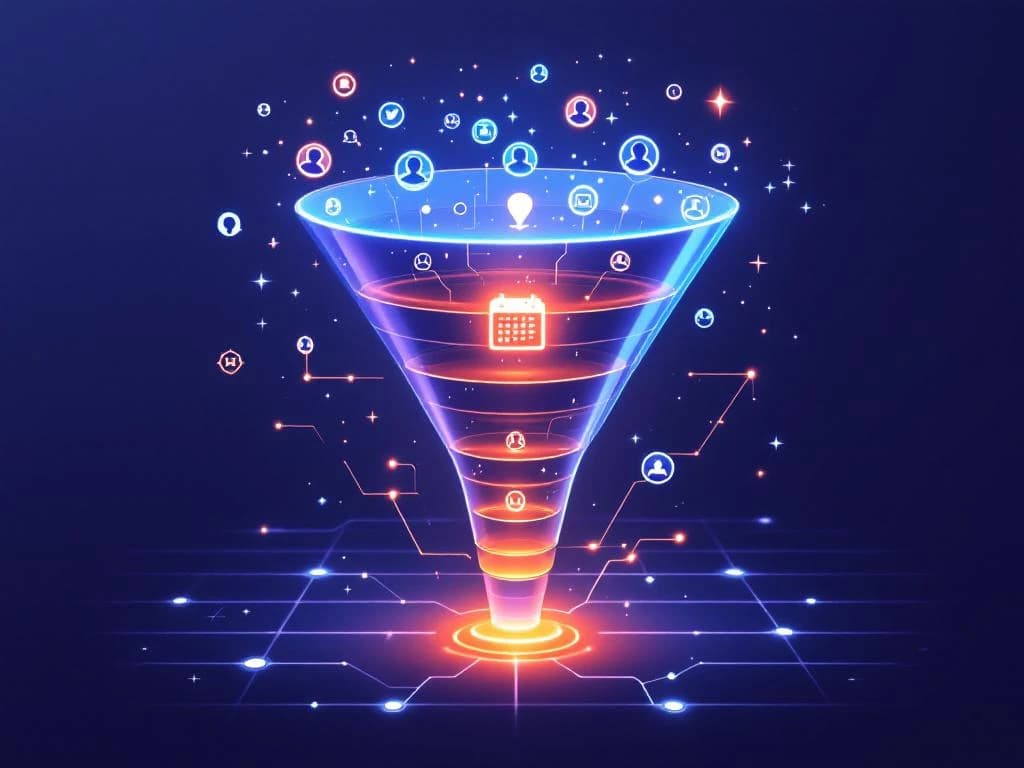
AI improves lead-to-demo conversion rates by analysing prospect behaviour patterns, personalising outreach timing, and identifying leads most likely to book and attend demonstrations. AI systems track engagement signals, score lead readiness, and automate follow-up sequences that human sales teams often miss or delay. This creates more efficient sales processes that focus effort on qualified prospects while maintaining personalised communication at scale.
What exactly does AI do to improve lead-to-demo conversion rates?
AI enhances lead-to-demo conversion by analysing vast amounts of prospect data to identify behaviour patterns that indicate demo readiness. The technology tracks how leads interact with your content, when they're most active, and which messages generate responses.
The system continuously learns from successful conversions to refine its approach. When AI identifies a lead showing strong engagement signals, it can automatically trigger personalised outreach at optimal times. This removes the guesswork from timing and ensures you contact prospects when they're most receptive.
AI also prioritises your sales team's efforts by scoring leads based on their likelihood to convert. Rather than treating all leads equally, the system highlights prospects worth immediate attention while nurturing others until they show stronger buying signals. This focused approach significantly improves conversion rates because sales teams spend time on qualified opportunities.
How does AI know which leads are actually ready for a demo?
AI determines demo readiness by tracking multiple engagement indicators that humans might overlook or take too long to identify. The system monitors website behaviour, email interactions, content downloads, and social media engagement to build comprehensive prospect profiles.
Specific signals include time spent on pricing pages, multiple visits within short periods, downloads of technical documentation, and responses to previous outreach attempts. AI outreach systems can process these signals instantly, while manual analysis would take hours for each prospect.
The technology also recognises patterns in successful conversions to improve its scoring accuracy. If leads who download whitepapers and visit case study pages convert 40% more often, the AI weights these actions accordingly. This continuous learning means the system becomes more accurate at identifying demo-ready prospects over time.
What's the difference between AI-powered and traditional lead nurturing?
Traditional lead nurturing relies on predetermined email sequences and manual follow-up schedules that treat all prospects similarly. Sales teams typically use broad segments and hope their timing aligns with prospect needs, often missing optimal engagement windows.
AI-powered nurturing adapts messaging and timing based on individual prospect behaviour. The system can modify email content, adjust sending schedules, and trigger specific sequences based on real-time engagement data. This personalisation extends beyond using someone's name to include relevant content that matches their demonstrated interests.
The key difference lies in responsiveness. Traditional systems follow rigid schedules regardless of prospect activity, while AI sales platforms react to engagement signals immediately. When a prospect shows increased interest, AI can accelerate the nurturing process or schedule immediate outreach rather than waiting for the next scheduled touchpoint.
How does AI personalisation actually work in practice?
AI personalisation begins by collecting data points from various sources, including LinkedIn profiles, company websites, engagement history, and industry information. The system analyses this data to understand prospect preferences, communication styles, and business challenges.
For LinkedIn outreach specifically, AI lead generation systems can analyse a prospect's posts, comments, and shared content to understand their professional interests. The AI then crafts messages that reference relevant topics or challenges the prospect has discussed, creating authentic conversation starters.
The system also adapts communication style based on how prospects respond. If someone prefers brief, direct messages, the AI learns this preference and adjusts future communications accordingly. This creates more natural interactions that feel less automated and more like genuine professional networking.
What role does AI play in demo scheduling and follow-up?
AI optimises demo scheduling by analysing prospect availability patterns and suggesting optimal meeting times. The system can integrate with calendar systems to identify mutual availability while considering time zones and typical response patterns for different industries.
For demo reminders, AI sends intelligent notifications that go beyond simple calendar alerts. The system might share relevant case studies or preparation materials based on the prospect's industry or demonstrated interests. This keeps prospects engaged and increases attendance rates.
Post-demo follow-up becomes more strategic with AI analysis of demo engagement. The system can track which parts of the demonstration generated the most interest and tailor follow-up messages accordingly. If a prospect asked multiple questions about specific features, the AI ensures subsequent communications address those interests directly.
How can you implement AI-driven conversion optimisation in your sales process?
Implementation starts with choosing an AI platform that integrates with your existing sales tools and CRM systems. Look for solutions that offer AI lead scoring, automated outreach capabilities, and detailed analytics to measure improvement in conversion rates.
We've developed our platform specifically for LinkedIn-focused sales teams who want to implement parasocial selling strategies. Our AI-driven campaign automation system builds familiarity with prospects before direct sales contact, creating warmer conversations that convert better than cold outreach.
Start by setting up lead scoring criteria based on your historical conversion data. Configure automated sequences for different prospect segments, but maintain human oversight for high-value opportunities. The key is balancing automation efficiency with personal touchpoints that build genuine relationships.
Monitor your results closely and adjust AI parameters based on performance data. Most teams see improved conversion rates within four to six weeks of implementation. If you're ready to explore how AI can transform your LinkedIn outreach strategy, our team can help you design a system that fits your specific sales process and business requirements.
Frequently asked questions
What happens if my AI system starts scoring leads incorrectly or missing good prospects?
AI systems require regular calibration and human oversight, especially in the first few months. Monitor your conversion data weekly and adjust scoring parameters when you notice patterns of missed opportunities. Most platforms allow you to override AI scores manually and feed that data back into the system to improve future accuracy. Keep a feedback loop where your sales team reports on lead quality to continuously refine the AI's decision-making.
How long does it typically take to see measurable improvements in demo conversion rates?
Most businesses see initial improvements within 4-6 weeks of implementing AI-driven lead scoring and outreach automation. However, significant gains often appear after 2-3 months when the system has enough data to identify reliable patterns. The key is starting with clean historical data and maintaining consistent tracking from day one to establish accurate baselines for comparison.
Can AI-powered outreach work for complex B2B sales with long decision cycles?
Yes, AI actually excels in complex B2B environments because it can track multiple stakeholders and touchpoints over extended periods. The system identifies when different decision-makers engage with content and coordinates outreach accordingly. For long sales cycles, AI helps maintain consistent nurturing without overwhelming prospects, timing communications based on engagement patterns rather than arbitrary schedules.
What's the biggest mistake companies make when implementing AI for lead conversion?
The most common mistake is over-automating without maintaining human touchpoints for high-value prospects. AI should enhance human relationships, not replace them entirely. Companies also often fail to clean their existing data before implementation, which leads to poor AI performance. Start with quality data, maintain human oversight for important deals, and gradually increase automation as you build confidence in the system.
How do I know if my current lead data is sufficient for AI implementation?
You need at least 6 months of historical lead data with clear conversion outcomes to train AI effectively. Your data should include engagement tracking, lead sources, and final conversion results. If you're missing engagement data or have inconsistent tracking, spend 2-3 months collecting better data before implementing AI. Quality matters more than quantity - clean, consistent data from 500 leads is better than messy data from 5,000 leads.
What metrics should I track to measure AI's impact on my demo conversion rates?
Focus on lead-to-demo conversion rate, demo attendance rate, and time from first contact to demo booking. Also track lead scoring accuracy by measuring how often high-scored leads actually convert compared to low-scored ones. Monitor response rates to AI-generated outreach messages and compare them to your previous manual efforts. These metrics will show both the efficiency gains and quality improvements AI brings to your sales process.